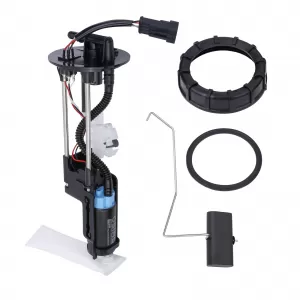
Taking a Polaris fuel pump lightly may be one of the biggest errors one can commit; for it is pivotal in the performance of Polaris ATVs, UTVs, and Sideway vehicles. It fuels through the tank and engine at the required pressure to aid in a smooth combustion process and provide steady power output. Hence, whether for working purposes, trail riding, or off-roading, it is apparent how a good fuel pump is the key to the reliability and health of the engine.
Understanding the Function of a Polaris Fuel Pump
The pump pushes fuel through the lines into injectors and keeps it under pressure. Most modern-day Polaris vehicles come fitted with electrically operated pumps that exert an ultra-steady pressure even under intense load. An operating pump helps the engine start effortlessly, accelerate smoothly, and run efficiently, whereas a disruption in fuel delivery will directly affect engine performance; hence, the importance of the fuel pump in the fuel system.
Common Signs of a Bad Polaris Fuel Pump
Fuel pump problems can often develop in stages. One of the first signs is that of the engine being hard to start, especially when cold outside. Another sign that riders may notice is the feeling of hesitation when accelerating or sudden loss of power while riding. In some cases, the engine may stall out normally, but other times, it may not start at all. A loud whining or buzzing noise coming from the fuel tank area might also be a sign that the pump is being stressed and is near failure.
Causes of Fuel Pump Failure in Polaris Vehicles
There are so many factors that can trigger the failure of a fuel pump. Contaminated fuel is one of the most common grounds for fuel pump failure because dirt and debris can block the pump strainer, hence restricting normal fuel flow. Continuously running the vehicle on a low fuel level can shorten the pump’s life since fuel helps in cooling the pump when in operation. Weak electrical supply such as weak wiring or low battery voltage does not allow the pump to get full power. General wear and tear from normal use can also eventually lead to internal pump failure.
How to Pick a Proper Replacement for a Polaris Fuel Pump
Compatibility is of the essence when changing fuel pumps for Polaris. Every model of Polaris is built with certain fuel pressures in mind, so getting the right pump ensures optimal engine performance. A good quality replacement fuel pump is built to meet or exceed OEM specifications. Many replacement pumps are designed for direct fit for ease of installation, drastically cutting any disadvantages of leakage or underperformance.
Installation and Maintenance Tips
Installing a Polaris fuel pump typically involves accessing the fuel tank and the careful removal of the old pump assembly. While experienced riders may opt to do the job themselves, it is important to have the right tools and safety gear. Regular maintenance will greatly enhance the lifespan of the newly installed pump. Adhering to proper practices, such as using clean fuel, avoiding storing for long periods with untreated gasoline, and keeping fuel tank levels reasonable, will help prevent premature wear.
Maintaining Your Fuel Pump: Its Advantages
The good health of a Polaris fuel pump ensures steady fuel deliveries, enhanced throttle response, and augmented fun riding. A good fuel pump minimizes the risk of unexpected breakdowns, thus saving other engine components from damage due to starvation of fuel. For riders who need their Polaris machines to work tirelessly against all odds, fuel pump care is the secret to their long-term reliability.
Conclusion
Though a small component, the Polaris fuel pump makes a huge stamp on performance and reliability of engine performance. Understanding how it works, early signs to look for, and choosing the right type of OSIAS Fuel Pump replacement save time, money, and energy. With just a little love and understanding, this piece of equipment will continue to bring power and reliability, just as required by your Polaris vehicle on every journey.