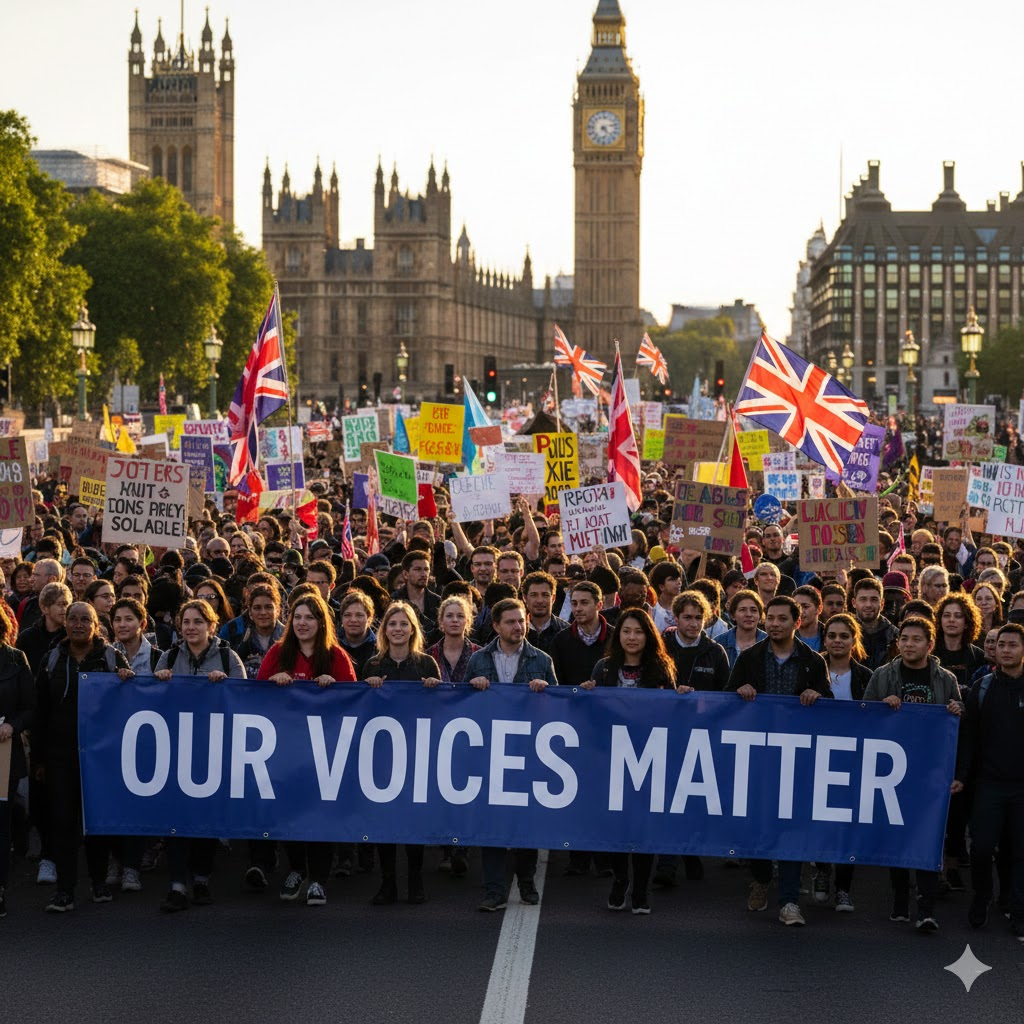
The London protest on 13th September 2025 marked one of the most significant demonstrations in the capital’s recent history. Thousands of people gathered across central London, representing a wide variety of causes, including political, social, and economic concerns. The protest attracted national and international attention, leading to numerous arrests, temporary landmark closures, and widespread media coverage. This day demonstrated the strength and influence of collective public action in the UK.
Participants in the London protest came from all walks of life, including students, farmers, activists, and ordinary citizens. Many joined to highlight pressing issues, from immigration policies to international matters such as pro-Palestine advocacy. The scale and organisation of the protest reflected careful planning and significant public interest, making it a key moment in London’s long history of civic demonstrations.
Background and Causes of the London protest
The London protest did not happen in isolation; it was the culmination of growing tensions and activism across the UK. London has historically been a hub for large-scale demonstrations, and this particular protest reflected both domestic and international concerns. Social media played a critical role in mobilising participants, with thousands responding to calls for action online. The events of 13th September 2025 mirrored previous large-scale protests but with a distinctly contemporary context.
Different groups had varied motivations for joining the London protest. Farmers opposed new policies affecting taxation and agricultural practices, students rallied against university administrative decisions, and pro-Palestine campaigners highlighted global political issues. The diversity of causes made the protest a focal point for media coverage and public debate, illustrating the multi-layered nature of civic engagement in London.
What Happened During the London protest
During the London protest, central areas of the city experienced significant disruption. Authorities reported multiple arrests as clashes with police occurred in key locations, including the Tower of London and The Ritz. Protesters used creative methods, such as marches, banners, and peaceful demonstrations, while some incidents led to temporary closures of landmarks to ensure public safety. The day was intense, with thousands of citizens expressing their views vocally across major streets.
The London protest saw a mixture of peaceful rallies and moments of heightened tension. Security forces managed the crowds while ensuring protesters could express their opinions. News outlets captured live events, including dramatic scenes where protesters drew attention to their causes. The high visibility of the London protest brought both national and international attention, with citizens and media alike tracking developments in real-time throughout the day.
Scale and Attendance of the London protest
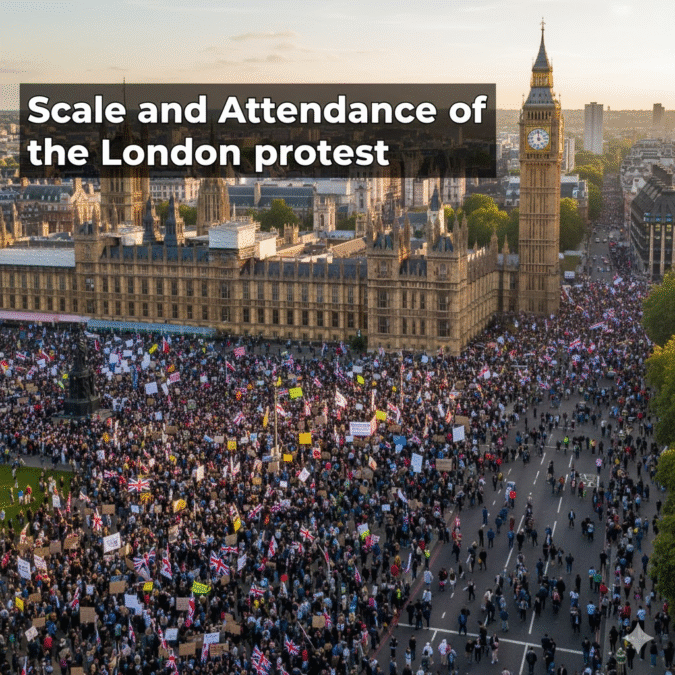
The London protest reportedly drew up to three million participants, making it one of the largest demonstrations in recent UK history. The turnout included students, activists, farmers, and concerned citizens, all united by a desire to raise awareness about key issues. This scale underscored the impact of civic engagement and the ability of coordinated efforts to mobilise large populations in the capital.
Attendance at the London protest was further amplified by social media platforms, where live streams and updates allowed virtual participation. Many individuals followed events online, sharing news and contributing to the broader conversation. The sheer number of participants emphasised the importance of the protest, highlighting societal concerns and influencing public discourse across London and the wider United Kingdom.
Reactions and Consequences of the London protest
Authorities and government officials responded swiftly to the London protest. Police implemented crowd control measures and conducted arrests to maintain public order, while temporary closures of landmarks ensured safety for residents and tourists. The protest prompted a range of official statements, reflecting the seriousness of such a large-scale public demonstration in London.
Public and media reactions to the London protest were varied. While many praised the peaceful expression of dissent, others criticised disruptions to daily life and traffic. The protest has sparked discussions about future demonstrations, civic rights, and government responsiveness. Its consequences will likely influence policy, security planning, and public engagement in upcoming events across the UK.
Live Updates and Coverage of the London protest
The London protest live coverage attracted nationwide attention, with television, newspapers, and online platforms reporting on the unfolding events. Journalists highlighted key developments, including arrests, demonstrations, and the movement of crowds through central London. Citizens were encouraged to stay informed through live feeds to understand the scale and significance of the protest.
Social media became a hub for updates on the London protest today, allowing virtual participation for those unable to attend. Images, videos, and live commentary kept the public engaged, showing both peaceful demonstrations and moments of tension. This digital visibility amplified the protest’s message, ensuring its reach extended beyond the streets of London to national and international audiences.
Conclusion
The London protest on 13th September 2025 demonstrated the power of collective action and civic engagement. With large-scale participation, arrests, landmark closures, and significant media coverage, the protest has left a lasting impression on the capital. It highlighted important political, social, and international issues, while also prompting discussions about public safety and the role of protests in shaping UK society.
The event underscored the continuing relevance of London as a centre for civic demonstration and political expression. Citizens’ participation reflected widespread concern over various issues, signalling that future protests may continue to play a critical role in influencing policy and public opinion. The London protest remains a key example of modern civic engagement in the UK.
FAQs
What is the London protest about?
The London protest on 13th September 2025 involved thousands of participants raising awareness on multiple issues, including social, political, and international causes. Groups such as students, farmers, and pro-Palestine activists joined the demonstrations to voice their concerns and influence public opinion in the capital.
When did the London protest take place?
The main London protest took place on Saturday, 13th September 2025. Demonstrations occurred throughout central London, with organised marches and rallies, attracting a significant number of citizens and leading to temporary closures of landmarks and major thoroughfares.
How many people attended the London protest?
Estimates suggest that up to 3 million people participated in the London protest. This large turnout made it one of the biggest demonstrations in recent UK history, with attendees including students, activists, farmers, and ordinary citizens from across the country.
Were there any arrests during the London protest?
Yes, several arrests were reported during the London protest. Police intervened to manage crowd control, prevent escalation, and ensure public safety in areas of high activity, including near the Tower of London, The Ritz, and other central locations.
Is there live coverage of the London protest today?
Yes, the London protest received extensive live coverage across TV channels, social media, and news websites. People were able to follow real-time updates, including footage of marches, speeches, and police activity, allowing both attendees and remote viewers to stay informed.