
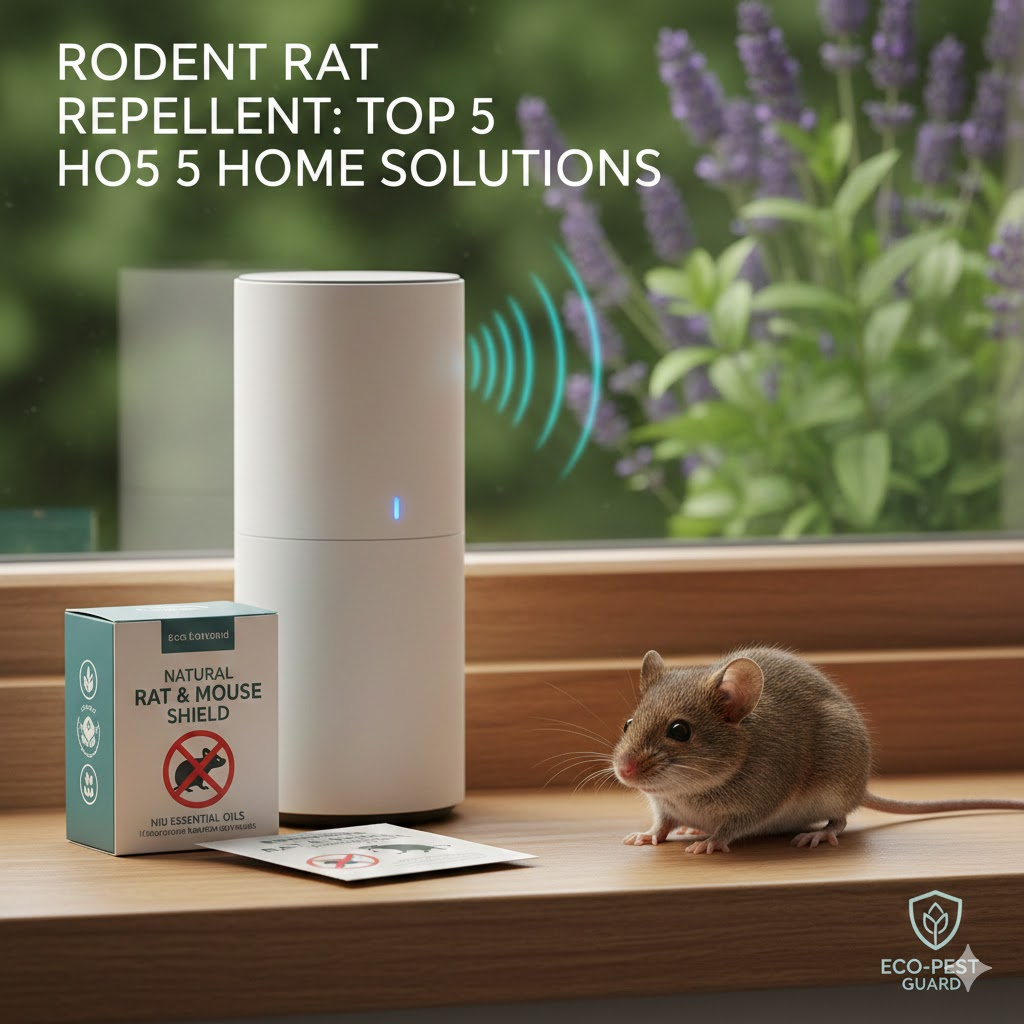
Rodents are a persistent problem for many households across the UK, and finding an effective rodent rat repellent is crucial for protecting your home, garden, and vehicles. Rats and mice can spread disease, damage wiring, and contaminate food supplies, making prevention an essential part of maintaining hygiene and safety. A comprehensive approach using a combination of natural and commercial rodent rat repellent solutions offers the best results for long-term protection.
Choosing the right rodent rat repellent depends on understanding the behaviour of these pests and the most suitable deterrents for your environment. Natural solutions, such as essential oils, are safe and eco-friendly, while commercial products like sprays, gels, and ultrasonic devices provide reliable protection in problem areas. Combining these methods ensures that your home remains rodent-free while minimising risks to pets and family members.
Understanding Rodents and Their Behaviour
Rats and mice are highly adaptable creatures, making them difficult to control without a proper rodent rat repellent strategy. They are nocturnal and tend to seek shelter in dark, hidden areas close to food sources. Recognising early signs of infestation, including droppings, gnaw marks, and disturbed items, is crucial to implementing timely prevention measures and selecting an effective rodent rat repellent.
Rodents can enter homes through tiny gaps, cracks, vents, and even poorly sealed doors. A rodent rat repellent works best when combined with preventive measures such as sealing entry points and maintaining a clean environment. Understanding rodent behaviour allows homeowners to strategically place repellents in areas where they are most likely to deter activity, creating a safer, rodent-free home.
Natural Rodent Rat Repellent Options
Essential oils like peppermint, eucalyptus, citronella, and lavender are among the most effective natural rodent rat repellent solutions available. These oils can be applied on cotton balls, used in sachets, or diluted in sprays for walls, cupboards, and other potential entry points. The strong scent of these oils is unpleasant to rodents, helping keep homes and gardens protected without the need for toxic chemicals.
Household items such as garlic, onion, cloves, cayenne pepper, and bay leaves also serve as a rodent rat repellent. Sprinkling these items in suspected areas of rodent activity can deter rats and mice effectively. Regular reapplication ensures ongoing protection, while careful placement prevents any harm to pets or children. Combining several natural methods provides a holistic approach to rodent prevention and long-term control.
Commercial Rodent Rat Repellent Solutions
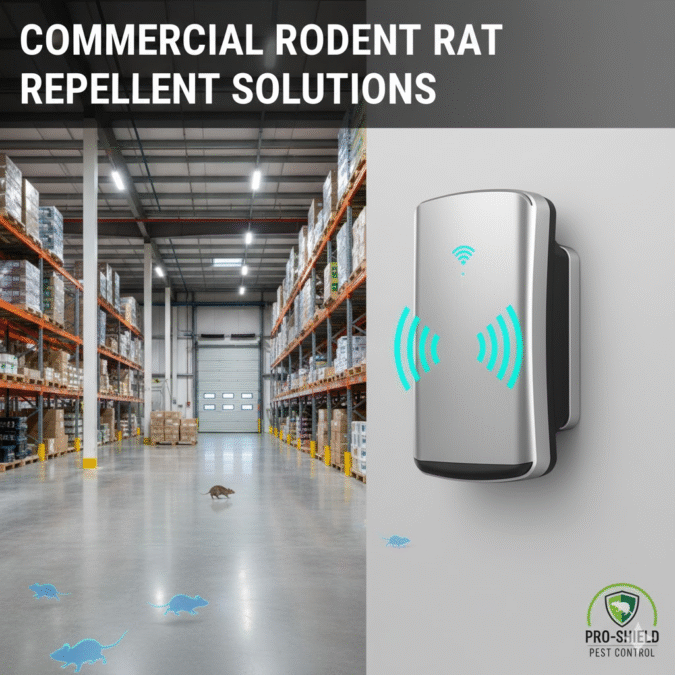
Commercial rodent rat repellent products are designed to offer reliable protection, particularly in severe infestations. Ultrasonic devices emit high-frequency sounds that rodents find uncomfortable, creating a deterrent effect in homes, garages, and offices. While effectiveness may vary, combining ultrasonic devices with other methods enhances overall pest control.
Sprays, gels, and coatings designed as a rodent rat repellent provide targeted protection against gnawing and repeated entry. These products can protect wiring, hoses, storage spaces, and other vulnerable areas in homes and vehicles. Selecting the right commercial solution depends on whether the product is suitable for indoor or outdoor use, its safety around pets, and its duration of effectiveness.
Combining Strategies for Maximum Effectiveness
Using a rodent rat repellent alone is often insufficient for long-term results. Combining repellents with preventative measures, such as sealing gaps with steel wool, caulking cracks, and installing mesh barriers, significantly reduces the risk of rodent intrusion. Integrating natural and commercial solutions maximises effectiveness and ensures a comprehensive approach to rodent control.
Maintaining cleanliness and reducing attractants are essential components of rodent management. Proper food storage, prompt waste disposal, and regular inspections remove the resources that rodents seek. A multi-pronged strategy using rodent rat repellent alongside environmental management ensures long-lasting protection and prevents the need for frequent reapplication or costly pest control interventions.
Choosing the Best Rodent Rat Repellent for Your Home
When selecting a rodent rat repellent, consider the severity of the infestation and the specific areas you need to protect. Homes with pets may benefit from natural repellents, while garages, sheds, or vehicles may require commercial sprays or ultrasonic devices. Ensuring the chosen repellent is safe, long-lasting, and suitable for the environment is essential for effective rodent control.
Regular monitoring and maintenance are crucial to the success of any rodent rat repellent strategy. Check for signs of activity, replace natural deterrents as needed, and maintain clean, sealed spaces. By combining observation, preventive actions, and effective repellents, homeowners can enjoy a rodent-free environment while minimising risks to family and pets.
Conclusion
An effective rodent rat repellent strategy combines natural oils, household remedies, and commercial products for maximum results. Understanding rodent behaviour, sealing entry points, maintaining hygiene, and regular monitoring enhance the effectiveness of repellents. By using a multi-pronged approach, UK homeowners can protect their homes, gardens, and vehicles from rats and mice safely and efficiently.
Frequently Asked Questions
What is the most effective rodent rat repellent for UK homes?
The most effective rodent rat repellent depends on your environment. Natural solutions like peppermint and eucalyptus oils are ideal for homes with pets, while commercial sprays, gels, and ultrasonic devices provide long-lasting protection for severe infestations. Combining methods often delivers the best results.
Are natural rodent rat repellents safe for pets and children?
Many natural rodent rat repellents, such as essential oils and spices, are generally safe when used carefully. However, some oils and ingredients can be toxic if ingested by pets or children. Always follow safety instructions and place repellents out of reach.
How often should natural rodent rat repellents be reapplied?
Natural rodent rat repellents, like oils and spices, lose potency over time. For consistent protection, sprays should be reapplied every 7–14 days, and cotton balls or sachets should be replaced weekly. This ensures the scent remains strong enough to deter rodents effectively.
Do ultrasonic devices actually work as a rodent rat repellent?
Ultrasonic devices emit high-frequency sounds that are unpleasant to rats and mice. Their effectiveness can vary depending on the size of the space and the presence of obstacles. For best results, combine ultrasonic devices with other rodent rat repellent methods.
Can rodent rat repellents prevent infestations permanently?
Rodent rat repellents are effective at deterring rats and mice but rarely prevent infestations on their own. Long-term success requires a multi-pronged approach, including sealing entry points, removing food sources, maintaining cleanliness, and regularly monitoring for signs of rodent activity.