
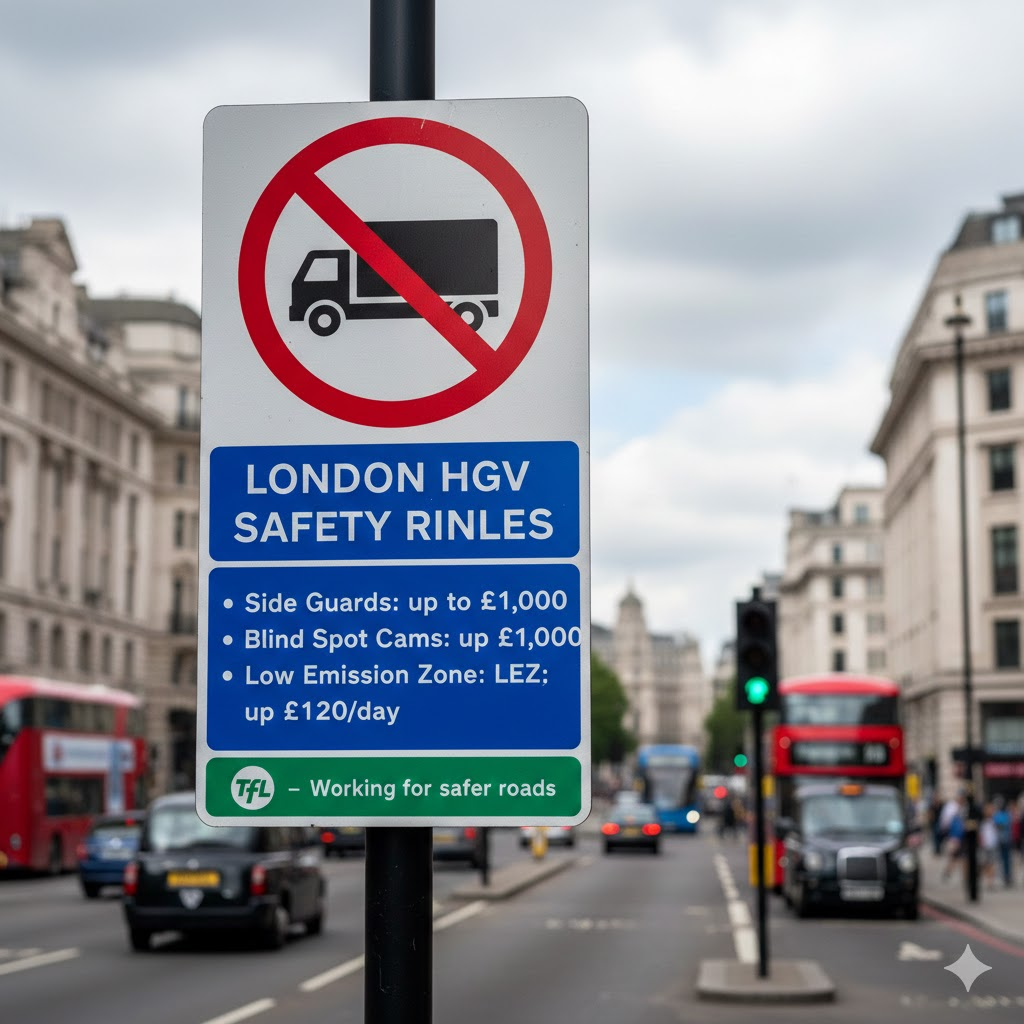
Understanding london hgv safety rules fines is vital for operators and drivers navigating the busy roads of Greater London. With penalties reaching up to £550 for non-compliance, ignoring these regulations can lead to substantial financial loss and legal trouble. The rules cover HGV safety permits, Direct Vision Standard (DVS) ratings, Red Route restrictions, and other key requirements designed to protect both road users and the public. Being informed is essential for smooth operations and safe driving.
Compliance with london hgv safety rules fines not only avoids penalties but also demonstrates professionalism and responsibility. Both operators and drivers must familiarise themselves with the latest regulations, including the Progressive Safe System (PSS) for low DVS-rated vehicles. This system includes cameras, blind spot detection, and audible warnings, which collectively enhance road safety. Understanding these obligations is the first step in ensuring you do not fall foul of TfL enforcement.
Overview of London HGV Safety Rules
HGVs over 12 tonnes are subject to strict regulations in London, with fines applied for non-compliance. The HGV Safety Permit Scheme requires operators to obtain a valid permit before entering the Greater London area. This permit verifies that vehicles meet minimum safety requirements and adhere to the Direct Vision Standard. Star ratings under DVS determine the level of safety features required, which can directly impact the risk of incurring london hgv safety rules fines.
Other regulations include Red Route restrictions, Ultra Low Emission Zone charges, and the Congestion Charge. Failure to follow any of these rules can lead to fines for both the driver and operator. TfL enforces these rules rigorously, so understanding and complying with them is critical. Awareness and preparation help reduce risks and ensure smooth operation in London while avoiding the expensive london hgv safety rules fines that come with non-compliance.
Penalties and Fines for Non-Compliance
Operating an HGV without a valid safety permit can result in a penalty of £550, with a reduced rate of £275 if paid promptly. Drivers themselves can face fines of £130. These penalties form part of the london hgv safety rules fines structure, designed to encourage compliance with safety and permit regulations. Ignoring these fines can lead to further legal action and complicate future permit applications.
Non-compliance with the Direct Vision Standard is also heavily penalised. Vehicles failing to meet the required star rating must implement a Progressive Safe System, including cameras, blind spot information, and audible alerts. Red Route violations incur a penalty of £160, reduced to £80 if paid on time. Understanding the full spectrum of london hgv safety rules fines helps operators plan and maintain fleet compliance effectively, minimising unnecessary expenses and risks.
How to Obtain and Maintain a London HGV Safety Permit
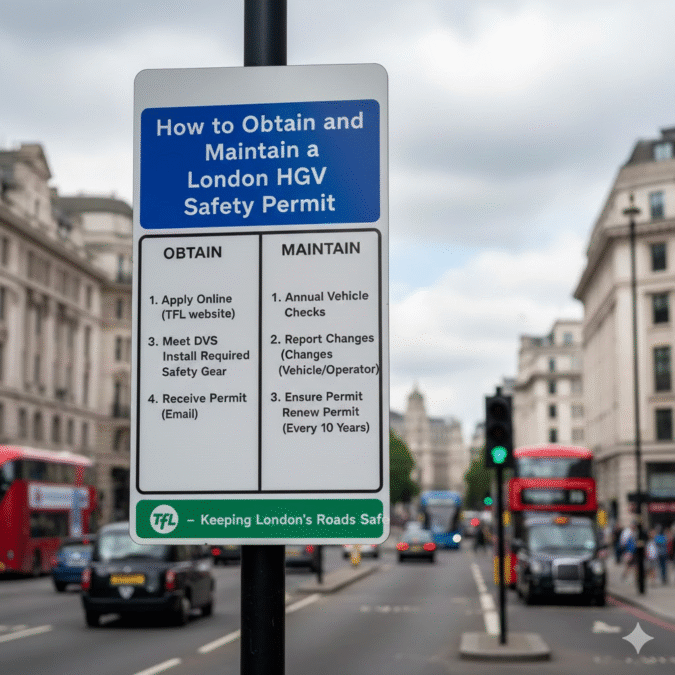
Obtaining a safety permit is the most important step in avoiding london hgv safety rules fines. The application process requires accurate documentation, including vehicle details, insurance proof, and driver information. Ensuring that vehicles meet the Direct Vision Standard before applying is crucial to avoid delays or rejection. Operators should regularly monitor changes to regulations to maintain compliance.
Renewing and updating permits is equally important. Expired or incorrect permits can attract fines and disrupt business operations. Operators are advised to create a compliance calendar to track renewal dates, safety inspections, and documentation. Proactive management of the HGV Safety Permit ensures that london hgv safety rules fines are avoided while maintaining fleet credibility and operational efficiency.
How to Stay Compliant with DVS and Safety Regulations
Compliance with the Direct Vision Standard and other safety requirements is essential for avoiding london hgv safety rules fines. Progressive Safe System features, including camera monitoring, blind spot detection, and audible warning systems, significantly reduce risk. Drivers trained to use these systems correctly are less likely to violate rules, making fleet operations safer and more efficient.
Fleet management strategies can further reduce the risk of fines. Regular vehicle checks, monitoring star ratings, and timely updates to permits ensure that all HGVs are compliant. Technology such as telematics and permit tracking systems helps operators stay informed about potential issues before they become legal or financial problems. Effective management of these systems prevents expensive london hgv safety rules fines while enhancing road safety.
Implications of Non-Compliance
Failing to comply with london hgv safety rules fines can have serious legal, financial, and reputational consequences. TfL enforcement can result in multiple penalties for repeated violations, affecting both operators and drivers. Insurance costs may rise if vehicles are found non-compliant, further increasing operational expenses and risk exposure.
Reputation is also impacted by non-compliance. Operators with frequent fines may struggle to secure contracts or partnerships due to perceived unreliability. Demonstrating compliance with HGV safety rules not only avoids london hgv safety rules fines but also reflects professionalism, accountability, and commitment to road safety, which can positively influence customer trust and operational success.
Conclusion
Understanding london hgv safety rules fines is critical for all HGV operators and drivers in Greater London. By obtaining valid safety permits, adhering to the Direct Vision Standard, and following all relevant regulations, businesses can avoid costly penalties and maintain operational efficiency. Staying proactive, informed, and compliant ensures not only legal protection but also the safety of drivers, other road users, and pedestrians.
FAQs
What are the fines for breaking London HGV safety rules?
Fines for non-compliance with London HGV safety rules can reach £550 for operators and £130 for drivers. Early payment often reduces the charge to £275 for operators and £80 for drivers on Red Routes. Penalties depend on the type of violation and vehicle compliance with the Direct Vision Standard.
Do all HGVs need a safety permit to enter London?
Yes, all HGVs over 12 tonnes entering Greater London require a valid safety permit. The permit ensures vehicles meet safety standards, including the Direct Vision Standard, and helps reduce the risk of accidents involving vulnerable road users. Operating without a permit triggers immediate fines.
How does the Direct Vision Standard affect fines?
Vehicles that fail to meet the required DVS star rating must implement a Progressive Safe System. Non-compliance can result in fines similar to operating without a permit, with penalties reaching £550 for operators and £130 for drivers, emphasising the importance of adhering to DVS requirements.
Can safety fines be reduced if paid early?
Yes, some London HGV safety fines are reduced if paid promptly. For example, a £550 penalty for an invalid permit can be reduced to £275 if paid within 14 days. Red Route fines of £160 can also drop to £80 if settled early, offering operators a cost-saving incentive.
What steps can operators take to avoid London HGV safety fines?
Operators can avoid fines by ensuring vehicles have valid safety permits, meeting DVS requirements, installing Progressive Safe Systems, and training drivers on compliance. Regular fleet checks, permit renewals, and monitoring routes can prevent violations and reduce the likelihood of incurring London HGV safety rules fines.
You May Also Read
Guy Willison Illness