
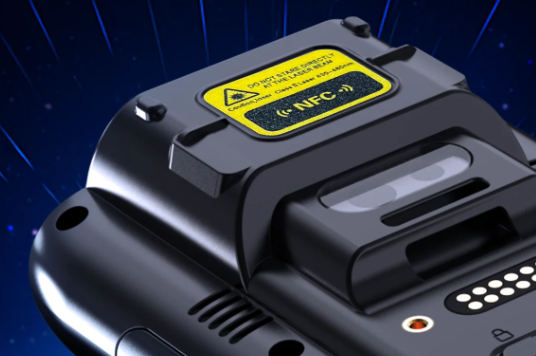
The Shift to Digital Kit Assembly
Modern manufacturing has evolved far beyond traditional assembly lines. A key advancement is the kitting process, a method where all necessary components for a specific product are gathered into a single kit before assembly begins. This strategic approach streamlines production, but its success heavily relies on accuracy.
Historically, kitting depended on paper-based lists and manual checks, processes prone to human error. Today, mobile computers are revolutionizing this workflow. By replacing clipboards and paper with digital instructions and scanning, manufacturers are achieving new levels of efficiency, accuracy, and quality control in kit assembly.
These handheld devices empower workers on the shop floor, providing real-time data and guidance. This transition to a digital manufacturing workflow is essential for improving speed, reducing waste, and gaining a competitive advantage in a demanding market.
Streamlining the Manufacturing Workflow
Integrating mobile computers transforms kit assembly from a series of disjointed steps into a cohesive, data-driven operation. These devices provide the tools needed to manage inventory, guide workers, and ensure every kit is assembled correctly, every time. The impact is felt across the entire production cycle.
Centralizing Instructions with a Bill of Materials
At the heart of any effective kitting process is the Bill of Materials (BOM). The BOM serves as the digital blueprint for each kit, detailing every required part, its quantity, and assembly sequence. Mobile computers give workers on the factory floor direct and instant access to this critical information.
Instead of relying on printed sheets that can be outdated or lost, assemblers view digital work instructions on their device screens. This ensures that every team member is working from the same accurate, up-to-the-minute information. Standardizing procedures this way is foundational to achieving consistent process accuracy.
Ensuring Process Accuracy Through Mobile Scanning
The most significant impact of mobile computing in kit assembly comes from mobile scanning. Equipping workers with handheld devices featuring integrated scanners fundamentally changes how parts are picked and verified. This step is crucial for preventing errors before they can disrupt the production line.
During the kitting process, an operator scans the barcode of each component. The device instantly compares the scanned item against the digital BOM. This automated verification confirms that the correct part and quantity are being added to the kit, virtually eliminating the risk of incorrect or missing components. This systematic check enhances process accuracy and minimizes costly rework.
Improving Traceability and Quality Control
Mobile scanning does more than just prevent errors; it creates a detailed digital record of the entire manufacturing workflow. Every scan is logged, creating a complete audit trail from individual components to the final assembled product. This level of traceability is invaluable for quality control.
Management and quality assurance teams can use this data to monitor production in real time. If an issue arises, they can quickly trace it back to its source. Furthermore, rugged tablets with large screens allow inspectors to easily review data, images, and schematics to identify patterns, document findings, and implement swift corrective actions.
The Right Tools for the Job: Rugged Mobile Computers
The manufacturing environment is demanding and not suited for consumer-grade electronics. Industrial settings require devices that are specifically designed for the rigors of the factory floor. These rugged mobile computers are built to withstand harsh conditions while providing reliable performance.
Designed for the Factory Floor
Unlike standard tablets or phones, industrial mobile computers are built to last. They are sealed to protect internal components from dust and moisture, which are common in many manufacturing plants. Fanless designs help dissipate heat without pulling in contaminants, preventing overheating and component failure.
These devices are also engineered to withstand drops onto concrete floors, temperature extremes, and constant vibration. This durability ensures that the tools workers rely on remain operational, preventing downtime and maintaining a smooth manufacturing workflow. Investing in rugged hardware is crucial for long-term operational continuity.
Optimizing User Interaction and Data Capture
Functionality is just as important as durability. Industrial mobile computers feature high-resolution, bright screens that are readable in various lighting conditions, from dimly lit warehouses to bright production areas. Many also have responsive touch screens that can be used even when an operator is wearing gloves.
For efficient data capture, these devices are indispensable. Integrating various tools into the workflow, from tablets to specialized handhelds, creates a powerful ecosystem. For example, dedicated mobile computer scanners are essential for performing the rapid and accurate scans required during kit assembly and verification. This ensures data is captured quickly and correctly, keeping the production line moving.
A More Efficient and Accurate Future
Integrating mobile computers into the kit assembly process delivers measurable benefits. It drastically reduces assembly errors, accelerates production cycles, and provides real-time visibility into inventory. The result is a more agile and efficient manufacturing operation with higher standards of quality.
By augmenting human workers with powerful digital tools, manufacturers can optimize their most critical workflows. The move toward a digitally connected factory floor, centered on accurate kit assembly and data-driven decisions, is no longer a future trend but a present-day necessity for success.
Disclaimer
The information provided in this article, “Transforming Manufacturing Workflows: The Role of Mobile Computers in Kit Assembly,” is intended for general informational and educational purposes only. While every effort has been made to ensure the accuracy and reliability of the content, it does not constitute professional advice or a recommendation for specific products, devices, or processes. Manufacturing environments vary widely, and results may differ based on individual workflows, equipment, and operational practices. Readers should consult with qualified professionals or industry experts before implementing any changes to manufacturing processes or investing in mobile computing hardware. The author and publisher disclaim any liability for losses, damages, or issues arising from the use of the information presented in this article.