
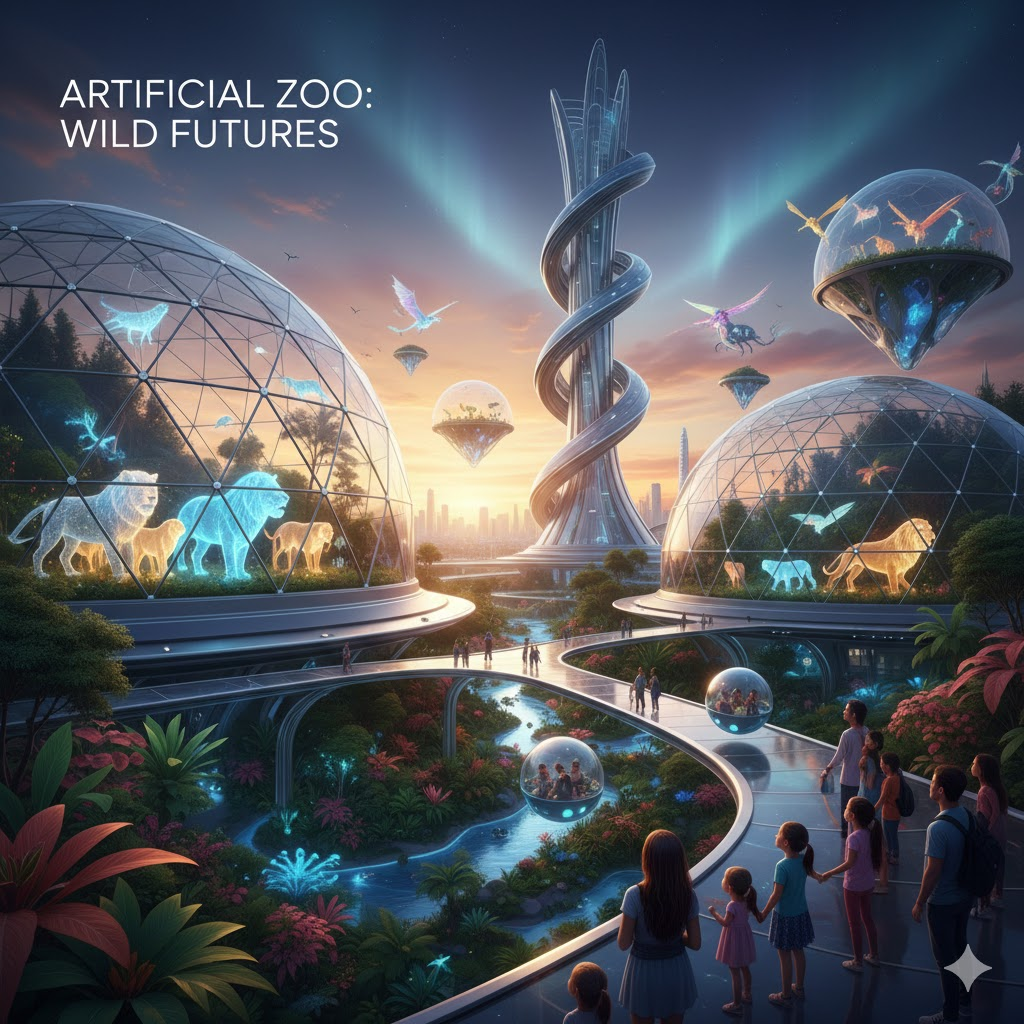
An artificial zoo is redefining the way people interact with wildlife in the UK. Unlike traditional zoos, artificial zoos combine technology, creativity, and ethical practices to provide lifelike animal experiences without relying on live animals. Visitors can explore immersive virtual habitats, observe animatronic animals, and interact with AI-driven exhibits, all designed to educate, entertain, and inspire conservation awareness in an innovative way.
The concept of an artificial zoo goes beyond entertainment. By using virtual reality, augmented reality, and artificial intelligence, these spaces offer unique insights into animal behaviour and ecology. From artificial termite mounds to realistic artificial tree displays, artificial zoos enable people to experience the natural world safely, ethically, and in ways that were previously impossible within conventional zoo environments.
What is an Artificial Zoo
An artificial zoo is a facility or exhibit that simulates wildlife and natural habitats using technology, realistic models, and digital tools. It may include animatronic animals, AI-driven interactive exhibits, and immersive VR experiences. Artificial zoos allow visitors to explore rare, exotic, or extinct species while eliminating the ethical concerns associated with keeping live animals in captivity.
In addition to technology, artificial zoos often incorporate physical features such as artificial grass zoo interiors, artificial gum trees, and artificial rocks to enhance realism. These design elements recreate natural habitats for educational and visual purposes, helping visitors understand ecosystems more effectively. By blending art, science, and innovation, artificial zoos provide memorable experiences for all ages.
Technology Behind Artificial Zoos
Virtual reality and augmented reality form the backbone of modern artificial zoos, allowing visitors to step inside realistic environments where animals roam freely. Artificial intelligence enhances these experiences by simulating animal behaviours, such as hunting, social interactions, and communication, creating highly engaging educational encounters. Animatronic animals also mimic lifelike movements, breathing, and sounds to improve authenticity.
Artificial zoos often use artificial termite mounds, artificial tree zoo displays, and zoo med artificial plants to create visually accurate ecosystems. Artificial grass zoo interiors and well-crafted artificial enclosures further replicate real-world habitats. Technology allows these spaces to adapt to new scientific findings, update exhibits efficiently, and provide visitors with a dynamic and interactive learning experience, unmatched by traditional zoos.
Benefits of Artificial Zoos
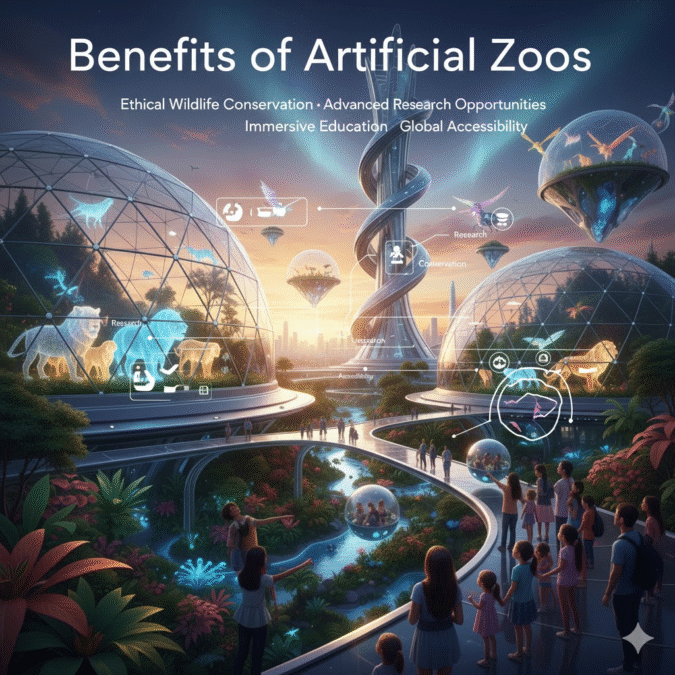
One of the primary advantages of artificial zoos is ethical conservation. By removing live animals from captivity, artificial zoos eliminate the stress and potential harm associated with traditional zoos. Visitors can learn about endangered species, extinct wildlife, and complex ecosystems without contributing to animal suffering, creating guilt-free educational experiences.
Artificial zoos also provide accessibility and flexibility. They can display species that would otherwise be impossible to house, including extinct animals or rare wildlife. Educational programmes within artificial zoos integrate interactive AI and animatronic technology, making learning highly engaging. These ethical and adaptive features make artificial zoos a forward-thinking alternative to conventional wildlife exhibitions.
Real-World Examples of Artificial Zoos
Across the UK and Europe, artificial zoos are gaining popularity. GAIA VR Zoo in Europe offers visitors fully immersive experiences in digitally recreated habitats, while Twycross Zoo in the UK incorporates AI and animatronic animals for educational enrichment. In India, artificial zoos using concrete and plastic animal models demonstrate the creative potential of simulated wildlife exhibits.
These artificial zoos often include features like artificial termite mounds, artificial trees, and artificial gum tree displays to enhance realism. Visitors can interact with AI-controlled animals, explore habitats safely, and gain insights into wildlife conservation. By combining technology, design, and education, artificial zoos offer engaging and memorable experiences that inspire a deeper understanding of nature.
How to Experience or Create an Artificial Zoo
Visitors can enjoy artificial zoos through interactive VR tours, animatronic displays, and AI-guided experiences. Many artificial zoos also feature educational workshops for children and adults, using artificial grass interiors, artificial rocks, and artificial plants to replicate real-world ecosystems. These exhibits provide hands-on learning opportunities while fostering curiosity about wildlife and conservation.
For creators, building an artificial zoo requires careful planning, attention to detail, and knowledge of technology. Designers use artificial tree displays, artificial termite mounds, and animatronic animals to replicate natural behaviour. Zoo med artificial plants and artificial enclosures further enhance authenticity. By combining creativity, innovation, and ethical design, artificial zoos can provide sustainable and immersive wildlife experiences for generations.
Challenges and Considerations
Despite their many advantages, artificial zoos face challenges such as high costs, ongoing maintenance, and technological complexity. Ensuring realistic animal behaviours while maintaining educational accuracy requires careful calibration of AI and animatronics. Designers must also consider visitor perceptions and ensure that simulated experiences are engaging yet ethically transparent.
Artificial zoos must balance realism, interactivity, and sustainability. While they reduce reliance on live animals, creators need to regularly update exhibits and technology to keep the experience engaging. Public acceptance depends on effective storytelling and educational value, ensuring that artificial zoos remain a credible and enjoyable alternative to traditional zoos.
Conclusion
Artificial zoos are transforming wildlife experiences in the UK, blending VR, AI, and realistic models to create immersive, ethical, and educational encounters. From artificial termite mounds to animatronic animals and AI-driven exhibits, these spaces offer unique insights into nature while promoting conservation awareness. As technology advances, artificial zoos are set to redefine how people engage with the animal kingdom.
Frequently Asked Questions
What is an artificial zoo?
An artificial zoo uses technology, animatronics, and AI to simulate wildlife experiences without live animals, offering ethical and educational encounters.
How does AI improve artificial zoos?
AI enables realistic animal behaviours, interactive learning, and adaptive exhibits, enhancing both entertainment and educational value.
Can artificial zoos replace traditional zoos?
While not a full replacement, artificial zoos provide ethical alternatives and allow visitors to experience wildlife safely and creatively.
What materials are used in artificial zoo displays?
Materials include artificial grass, animatronic figures, artificial rocks, artificial termite mounds, and artificial plants to replicate natural habitats.
Which UK zoos use artificial zoo technology?
Twycross Zoo is a notable UK example, combining AI, animatronic animals, and immersive educational experiences to enhance visitor engagement.